Open-source MCP Server · MIT

Pair-designwith your coding agent

Raven is an open-source MCP server. Click any element on your running page, edit its tokens and styles with real controls, and package the change for your agent — backed by audits that name the broken design rule and return the fix with evidence.

v—
Latest
Releases
/wk
npm Downloads

Raven Design

Select an element. Edit its tokens and styles.

Edits land on the page as you make them, then get packaged for your agent.

Before & after

Without Raven, and with it.

Each pair is a real brief before Raven and after it — a fresh build, a rebuild, and a taste-profile pass.

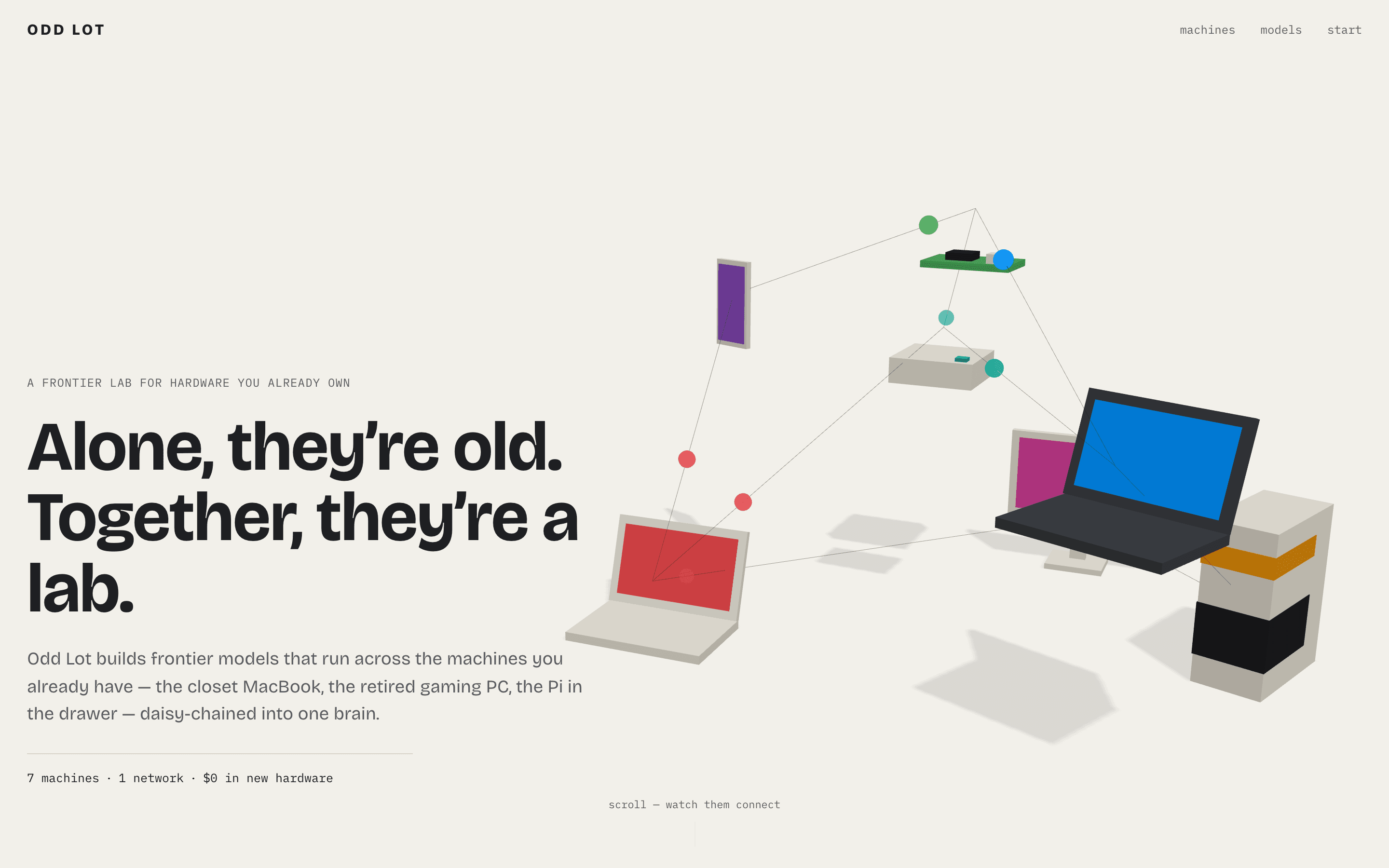
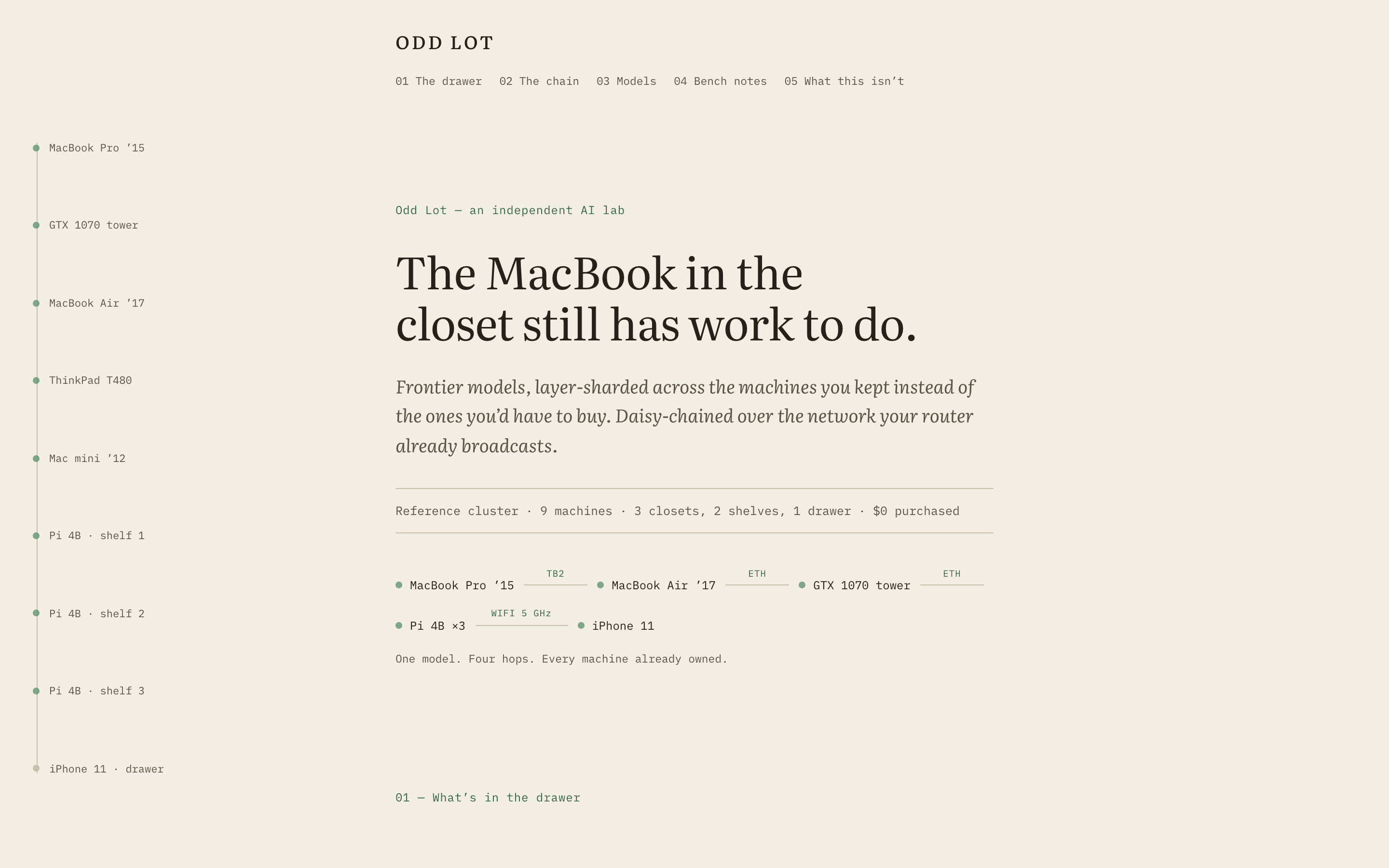
Oddlot v2 3D workshop rebuild.
Oddlot v1 editorial page.

Before: Oddlot v1 editorial page. After: Oddlot v2 3D workshop rebuild.

Oddlot — the v1 page and the v2 rebuild.
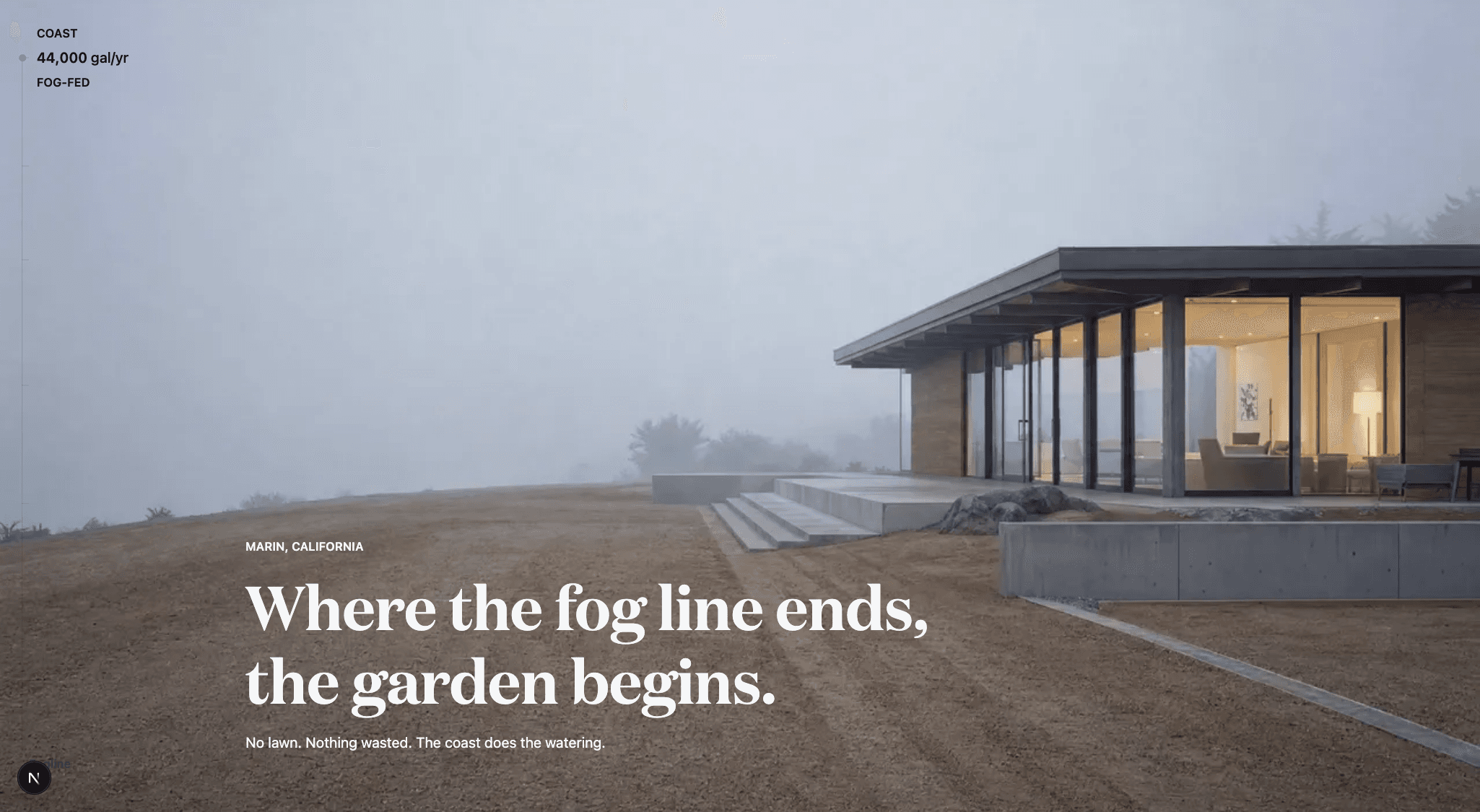
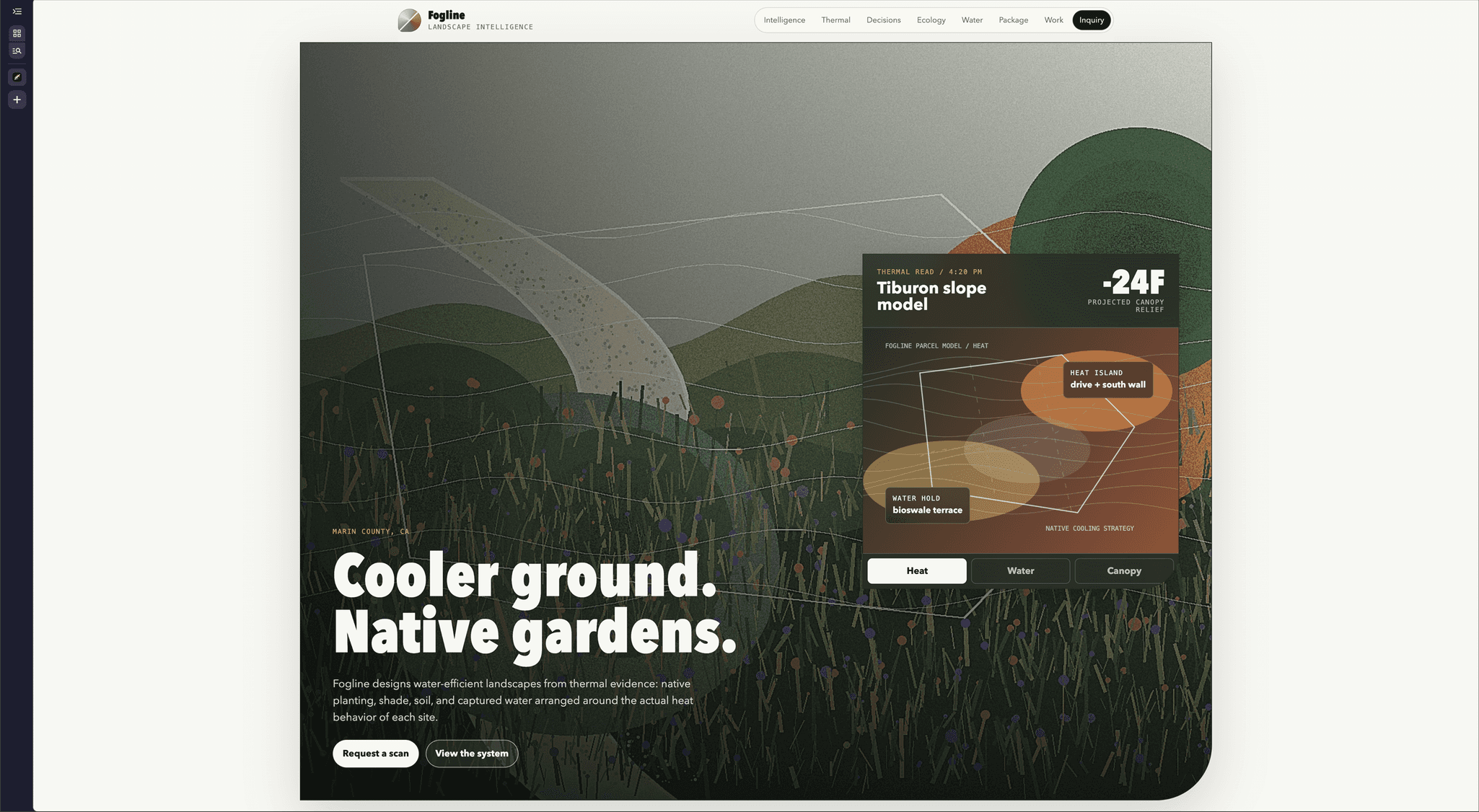
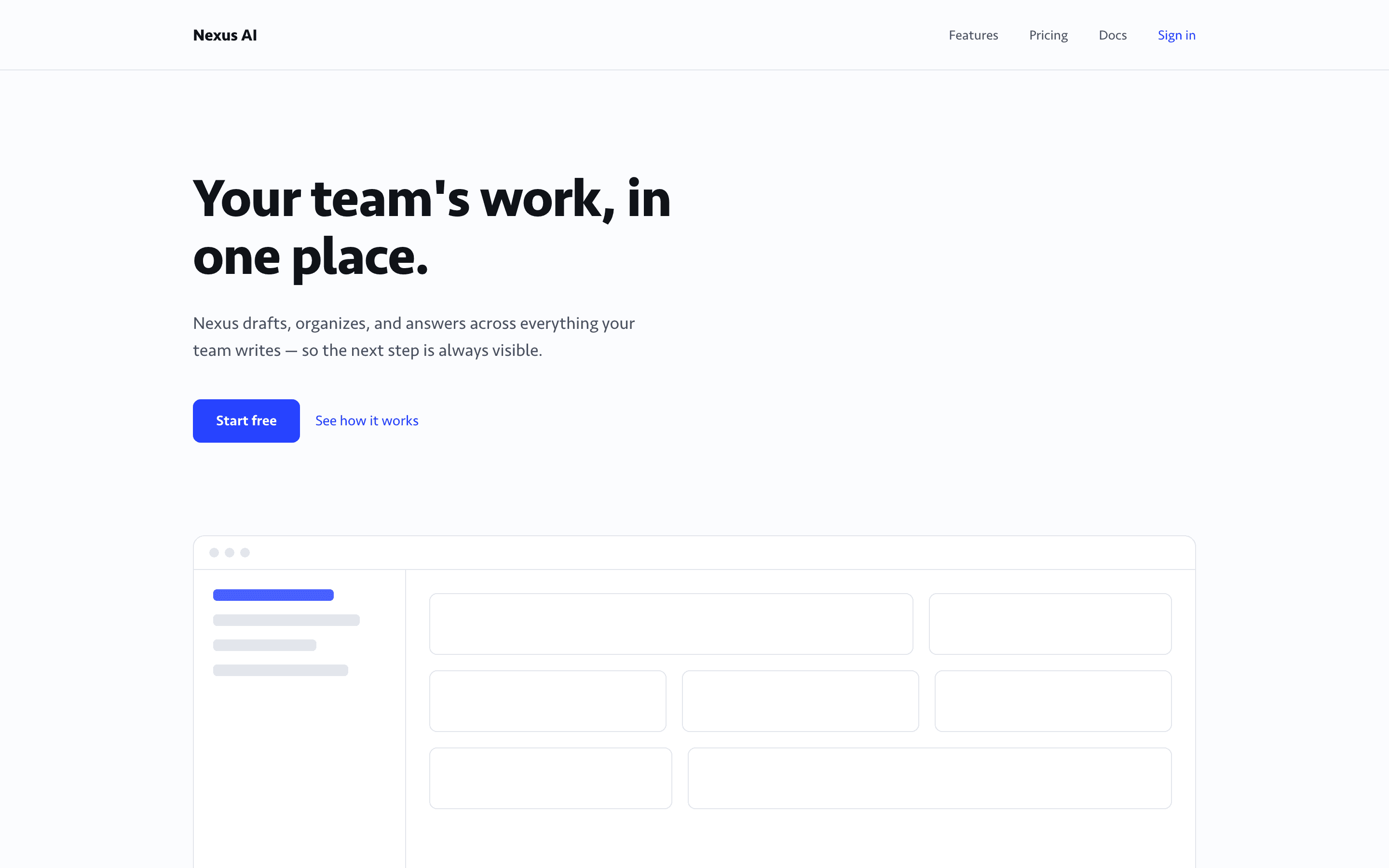
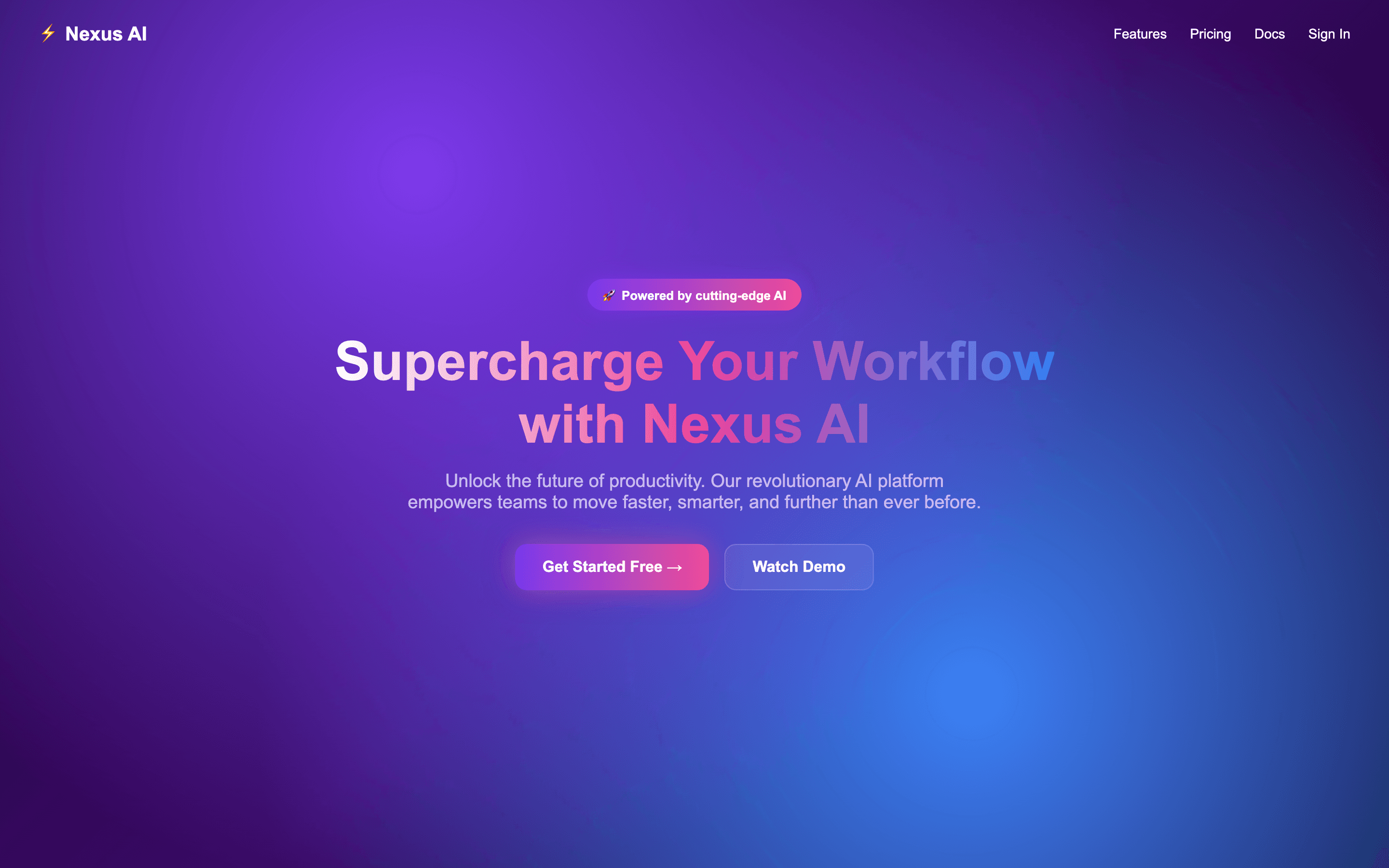
Nexus product page rebuilt under the bound taste profile.
Nexus product page before applying the bound taste profile.

Before: Nexus product page before applying the bound taste profile. After: Nexus product page rebuilt under the bound taste profile.

Nexus — a generic AI page, rebuilt under a bound taste profile.

The Taste Engine

Turn your taste into audit rules

Raven asks how a project should look and sound, stores that surface profile locally, then audit_taste returns BLOCK/WARN/PASS findings with rule IDs and evidence.

01 Calibrate

get_taste_interview — fieldnotes
$ get_taste_interview profile:'andrew' project:'fieldnotes'

  existing_binding  null   — new surface, calibration starts

  · identity     what is fieldnotes, in a phrase — and what
                 family: portfolio, product site, docs, app UI?
  · references   links you want this surface to sit near
  · typography   editorial serif / neutral sans / mono-forward
  · motion       none / restrained reveals / choreographed
  · voice        pick a register by ear — three samples given

  12 dimensions · blocking — answers land before design work

02 Audit

audit_taste — raven-mcp
$ audit_taste project:'raven-mcp'

  verdict       BLOCK
  verdict_line  2 blocking findings — fix before ship.

  findings
    · voice-no-hype   "make every screen better"   → name the check performed
    · voice-no-hype   "built for modern teams"     → name the user and task

  suppressed             1   accepted precedent
  not_assessed           1   clause needs a live capture
  quoted_evidence_exempt { elements: 1, chars: 512 }

03 Kick off

bind_taste_surface — fieldnotes
$ bind_taste_surface surface:'fieldnotes' profile:'andrew'

  bound          fieldnotes — docs · hosts: fieldnotes.dev

  design_notes   typography   editorial serif, wide measure
                 color        near-monochrome, one accent
                 motion       none — pages arrive settled
  overrides      voice-no-hype → strict
  references     2 captured, with what to keep from each

  design_notes are acceptance criteria — echoed in every
  audit_taste project:'fieldnotes' from here on

Cinematic builds

A recipe that names its price

When a surface's taste calls for an AI-generated video hero, Raven returns the build recipe—and the recipe declares its paid dependency before your agent spends anything.

build_hint — ai-video-hero
build_hint: ai-video-hero
  technique    AI-generated video hero over a poster frame
  chain        one hero still → short clips around one
               consistent subject → reserve 4K for a single
               final shot, then web-compress; autoplay muted + inline
  depends_on   Higgsfield MCP (Seedance model) — paid, external
  cost         confirm the spend with the user before running
  fallback     still photography or licensed film, agreed first
  never        a surface that opted out of AI → no paid tool

Nine Knowledge Layers

Nine layers, one MCP server

Raven exposes principles, UI patterns, content voice, research methods, service blueprints, strategy frameworks, design tokens, and audit tools as MCP calls.

129
Design principles

Principles

Nielsen's Heuristics, Laws of UX, Gestalt, WCAG accessibility, typography, color theory, mobile UX, responsive layout, and D4D—with violations and checklists.

AccessibilityNielsenGestaltLaws of UXMobile UXResponsive
22
Pattern libraries

Patterns

Field-tested UI patterns for signup, pricing, dashboards, forms, navigation, CTAs—plus content patterns (errors, empty states, notifications) and service patterns (blueprinting, handoff).

Landing PagesPricingFormsHandoff
4
Brand voice systems

Content Systems

Voice & tone from Mailchimp, GOV.UK, Shopify Polaris, and Atlassian. Plus eleven UX-writing principles and content patterns for errors, empty states, notifications, and form validation.

MailchimpGOV.UKPolarisAtlassian
6
Metrics frameworks

Research & Data

Qualitative, quantitative, and usability methods with protocols, sample-size guidance, and bias traps. Metrics frameworks: HEART, AARRR, North Star, conversion funnel, RICE, OKRs.

HEARTAARRRUsabilityA/B Tests
14
GOV.UK standard

Service Design

Stickdorn, Shostack, moments of truth, peak-end, human-handoff patterns. Plus an HTML service-blueprint generator with two-actor (HI-loop) mode for customer↔lawyer, patient↔doctor flows.

BlueprintingHandoffHI-loopGOV.UK
7
2026 visual trends

Brand & Visual

Logo usage, gradient systems, imagery, visual hierarchy, brand-as-system thinking—plus a time-stamped 2026 trends file (bento grids, monospace for tone, neon-on-glass, brutalism rebound).

LogoGradientImagery2026 Trends
5
Strategy domains

Business Strategy

Monetization, retention, onboarding, growth, and metrics—the business context that shapes every design decision.

MonetizationRetentionGrowthMetrics
12
Design systems

Tokens

Production design system tokens in W3C DTCG format. Compose tokens across systems, export as CSS variables, Figma Variables, or JSON. Generate custom systems from a brand color.

StripeLinearDTCGFigma
20
Audit tools

Render & Audit

Render any live URL or screen and grade it—contrast, typography, tap targets, responsive visibility, asset integrity. Native SwiftUI and React Native, plus parity and API-contract checks.

WebSwiftUIContrastParity

Seventy Tools

Seventy tools, organized by job

Seventy focused calls, grouped by what they do—know, create, audit, judge. Claude calls them automatically, with no special syntax.

Watch it work

No Figma file. No designer.

One prompt builds a real SwiftUI app—then Raven audits every screen against 73 principles and 13 patterns, flags the issues, and guides the fixes. Recorded live on the iPhone 17 Pro simulator.

get_principles · evaluate_design

Build from a prompt, design-guided

A single prompt scaffolds a full SwiftUI app—Raven's principles steer layout, color, and type from the first line of code.

get_design_system · get_pattern

Design system applied, not guessed

Activity rings, KPI cards, dark-theme elevation—every choice traced to a principle: 44px targets, 60/30/10 color, Miller's Law.

audit_ios_screen · audit_screen

Real screens, audited live

The Workouts tab built and verified end-to-end—progressive disclosure, smart defaults, and 44pt targets checked against the HIG.

get_pattern · audit_typography

Patterns with checklists

Need a dashboard or streak system? Raven returns the relevant pattern, its do's and don'ts, and the research notes before a pixel is drawn.

audit_ios_a11y · audit_contrast · audit_tap_targets

Accessibility checked after build

Raven audits VoiceOver labels, Dynamic Type, contrast ratios, tap-target sizes, and per-screen scores after the UI exists.

evaluate_design

Evaluated against 73 principles

The finished app scored against 73 principles and 13 patterns. Raven flags pure-black backgrounds, color-only indicators, and motion gaps—then fixes them.

Token Registry

Twelve design-system token sets, queryable

Ask for Apple HIG, Material, Stripe, Linear, Vercel, GitHub Primer, and more as W3C DTCG tokens or CSS variables.

Apple HIG
Platform
iOSmacOSpremium
Material Design 3
Platform
Androiddynamic-color
Stripe
Fintech
professionalclean
Linear
Productivity
darkminimal
Airbnb
Consumer
warmtrustworthy
Spotify
Consumer
darkvibrant
Vercel
Developer
monochromeminimal
GitHub Primer
Developer
enterpriseaccessible
Notion
Productivity
warmcontent-first
shadcn/ui
Component Library
tailwindradix
Tailwind CSS
Framework
utility-firstcomprehensive
Supabase
Developer
darkgreen-accent

The Story

Named for the creature that bridges worlds

Across Norse, Celtic, and Native American traditions, the raven carries knowledge from hidden places and brings it into the light.

Odin's ravens Huginn and Muninn—Thought and Memory—fly across all nine realms at dawn and return to whisper everything they've seen. The Morrígan takes raven form to decide fate. Yéil stole the sun from darkness and gave it to everyone.

Raven MCP: principles, tokens, audits, and taste rules exposed as tools your coding agent can call.
Raven
Norse

Huginn & Muninn

Thought & Memory—Odin's ravens that fly across all nine realms and return with knowledge

Celtic

The Morrígan

Sovereignty & Prophecy—the triple goddess who takes raven form to decide fate

Tlingit

Yéil the Transformer

Light from Darkness—Raven stole the sun, moon, and stars and gave them to everyone

Open Source

Free. All of it.

Every tool, token, and principle is included under the MIT license. No account, hosted plan, or usage meter.

70Tools
129Principles
9Knowledge Layers
22Patterns

Use Raven to audit AI-generated interfaces, fetch token systems, score design choices, and cite the rule behind each finding. Install in 30 seconds.

Need something custom?

Custom Design Systems

Get a Raven-compatible design system for your brand: tokens, principles, and evaluation rules matched to your product.

Get in touch →

Questions

Frequently asked questions

Everything you need to know about Raven, the design-intelligence MCP server.

What is RavenMCP?

RavenMCP (Raven) is an open-source Model Context Protocol (MCP) server. Add it to Claude or Cursor, and your agent can call 70 local tools for design principles, UI patterns, design-system tokens, content voice, research methods, service blueprints, multi-platform audits, and project-specific taste checks.

How do I install RavenMCP?

Install Raven in one command: claude mcp add raven -- npx -y raven-mcp. It runs through npx, so there's nothing to clone or build. Full setup instructions are in the documentation.

Is RavenMCP free?

Yes. RavenMCP is 100% free and open source under the MIT license. Every tool, token, and principle is included — no tiers, no usage limits, and no account required.

Which AI agents work with RavenMCP?

Raven works with any client that supports the Model Context Protocol — Claude (Claude Code and the Claude desktop app), Cursor, and any other MCP client. Once installed, the agent can call Raven's 70 tools directly during a conversation.

What platforms can RavenMCP audit?

Raven can audit web pages and layouts, iOS/SwiftUI screens, Android screens, and React Native interfaces — checking them against design principles and UI patterns, and flagging issues with contrast, tap targets, typography, and accessibility.

What design systems does RavenMCP support?

Raven includes tokens from 12 named systems in W3C DTCG format, including Apple HIG, Material, Stripe, Linear, Vercel, GitHub Primer, Tailwind, and shadcn/ui. It also exposes 129 design principles and 22 reusable UI patterns.

Get Started

Add design checks
to Claude

Open source. Zero runtime dependencies. One MCP install for Claude Code, Claude Desktop, Cursor, and compatible clients.

Install Raven